
Understanding property tax in Spain for non-residents is essential if you own or plan to buy a home on the Costa Blanca or anywhere else in the country. Spain offers attractive opportunities for foreign buyers, but it also comes with specific tax obligations that you should be aware of from the beginning.
In this guide, we explain everything you need to know about property tax in Spain for foreigners, with a clear and practical approach so you can manage your investment with confidence.
Why understanding property tax in Spain for non-residents matters
Buying a property in Spain is not just about choosing the right location or design. It also means understanding the legal and tax framework that applies to you as a non-resident.
Many international buyers are surprised to learn that even if they do not live in Spain permanently, they still have to declare and pay certain taxes related to their property. Knowing this in advance helps avoid penalties and allows you to plan your finances properly.
Main property taxes in Spain for non-residents
When it comes to property tax in Spain for non-residents, there are several key taxes you should consider. Each one applies in different situations.
1. IBI (local property tax)
The IBI (Tax on Real Estate Properties) is a municipal tax that all property owners must pay, regardless of residency status.
- It is calculated based on the cadastral value of the property
- Paid annually to the local town hall
- The rate varies depending on the municipality
This is the most common and unavoidable property tax in Spain for non-residents.
2. Non-resident income tax
Even if you do not rent out your property, Spanish law assumes a notional income from owning it. This means you must pay non-resident income tax.
- Based on a percentage of the cadastral value
- Typically taxed at 19% for EU residents and 24% for non-EU residents
- Filed annually using a specific tax form
If you rent out your property, the calculation changes and is based on actual rental income.
3. Capital gains tax
If you sell your property, you will need to pay capital gains tax on the profit.
- Calculated as the difference between purchase and sale price
- Non-residents are usually taxed at a fixed rate
- A 3% retention is applied at the time of sale as an advance payment
This is an important aspect of property tax in Spain for foreigners, especially for long-term investors.
Step by step: how to manage property tax in Spain for non-residents
To simplify things, here is a clear step-by-step overview of how to stay compliant:
1. Register your property correctly
Ensure the property is registered in your name and linked to your NIE (foreigner identification number).
2. Pay your annual IBI tax
This is usually managed through direct debit with your local town hall.
3. File your non-resident tax return
Even if you do not rent the property, this step is mandatory.
4. Declare rental income if applicable
If you rent your property, you must declare income regularly.
5. Keep all documentation
Save invoices, purchase documents and tax filings for future reference.
Following these steps will help you stay on top of your obligations and avoid unnecessary complications.
How property tax affects your investment
Understanding property tax in Spain for non-residents is not just about compliance. It also affects the overall profitability of your investment.
Taxes influence:
- your annual maintenance costs
- your net rental income
- your final profit when selling the property
This is why it is important to consider taxation from the beginning, not only after buying.
Building or renovating and tax considerations
If you are planning to build or renovate a property, tax implications can also play a role in your decisions. For example, choosing the right plot, orientation and architectural design can impact the cadastral value and, therefore, some of your taxes. This is why working with experienced professionals is essential.
A company like Construcciones Marva supports clients throughout the entire process, helping them make informed decisions from the start. Their local knowledge of areas such as Moraira, Jávea, Calpe and Benissa allows them to guide clients not only in construction but also in understanding the broader context of their investment.
With more than 50 years of experience, they focus on transparency and clear communication, ensuring that every stage of the project is well-planned and aligned with the client’s expectations.
While we can guide you through the construction process and help you understand the key aspects of your project, we do not provide tax or legal advice. For any questions regarding your tax obligations, we always recommend consulting a qualified tax advisor who can assess your individual situation.
Common mistakes to avoid
When dealing with property tax in Spain for foreigners, there are some frequent mistakes that can lead to problems:
- assuming you do not need to pay tax if you do not live in Spain
- missing deadlines for tax declarations
- not declaring rental income correctly
- underestimating the importance of professional advice
Avoiding these mistakes can save you time, money, and stress. Even small oversights can result in penalties, additional costs or unnecessary administrative complications.
Final insights on property tax in Spain for non-residents
Managing property tax in Spain for non-residents may seem complex at first, but with the right information and support, it becomes much more manageable.
Spain remains one of the most attractive countries in Europe for property investment, especially in Mediterranean areas like the Costa Blanca. By understanding your tax obligations from the beginning, you can focus on what really matters: enjoying your property and making the most of your investment.
If you are planning to buy, build or renovate, combining good tax planning with the right professional guidance will make all the difference in your experience. Feel free to contact us to start planning your project on the Costa Blanca.

Noticias relacionadas
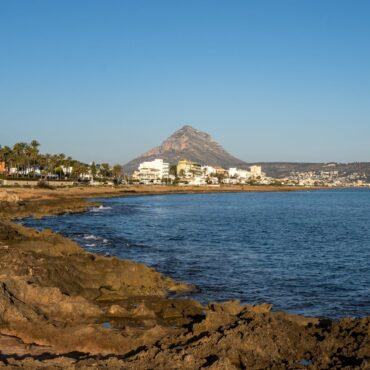
Explore the best beaches in Costa Blanca near your villa
The best beaches in Costa Blanca are much more than beautiful places to visit....
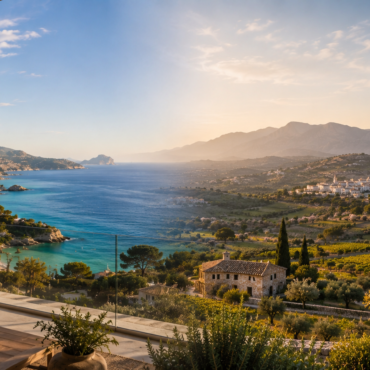
Coastal vs inland Costa Blanca: which is right for you?
Would you rather wake up to the sound of the Mediterranean or enjoy breakfast...
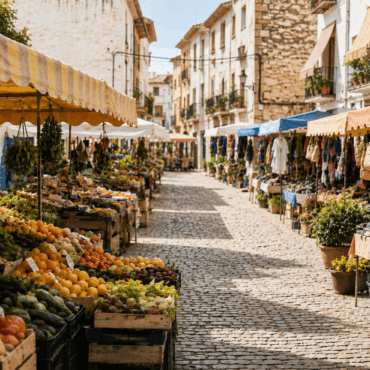
Costa Blanca markets: 6 best weekly markets to visit
If you’re living on or visiting Costa Blanca, exploring local markets is one of...
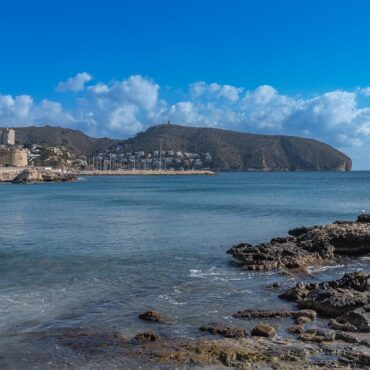
What to do in Moraira: top activities around your villa on the Costa Blanca
If you’re searching for what to do in Moraira, you’ll soon realise it’s not just...
Best areas to find your luxury villa in Moraira, Benissa and Calpe
Choosing a villa in Moraira isn’t just about the house. It’s about location, lifestyle, view, and...
Do you want to know what you need to build your house in Moraira? 7 essential steps to find out
The 7 Essential Steps to Building Your Home in Moraira, Spain Build your dream...

Make the most of natural light with skylights.
When we build, one of the most desired things for our clients is to...

Tips on buying your new home.
Making the final choice to buy a home is exciting and challenging. After all,...