
The Costa Blanca is famous for its beaches and summer holidays, but the region has plenty to offer beyond the high season. Costa Blanca in winter brings a quieter atmosphere, opportunities to explore the Mediterranean coastline and the chance to enjoy everyday life without the summer crowds.
For anyone considering a move to Spain, visiting during the colder months gives you a better idea of what living here year-round is really like.
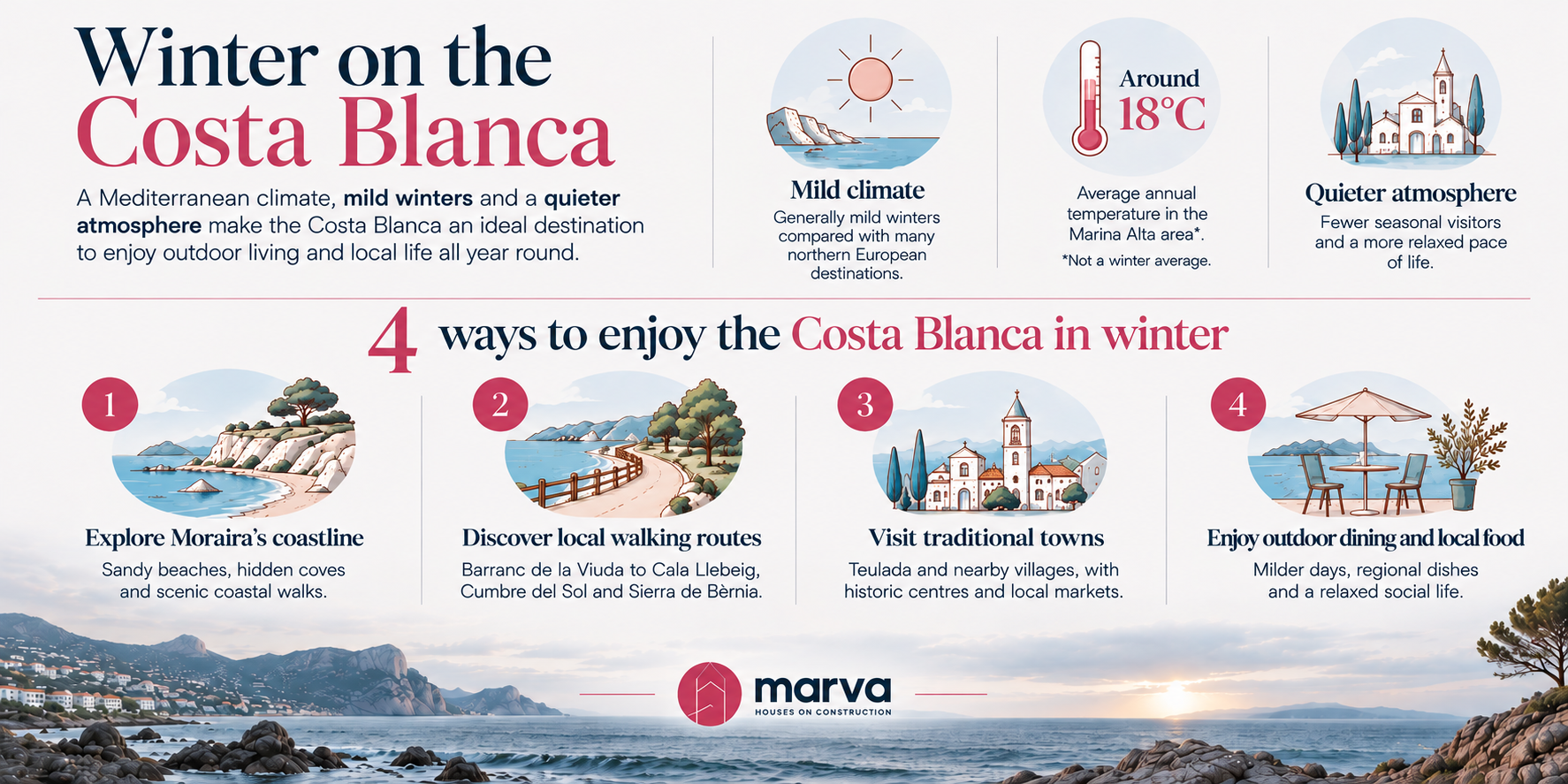
What is winter like on the Costa Blanca?
The Costa Blanca enjoys a Mediterranean climate, with generally mild winters compared with many northern European destinations. Although temperatures can drop in the evenings, and rain and wind are possible, sunny days often provide opportunities to enjoy the outdoors.
The Marina Alta is known for its mild Mediterranean climate, which makes outdoor activities possible throughout much of the year. According to Spain’s official tourism website, its average annual temperature is around 18°C. While this is not a winter average, it helps explain the area’s appeal as a year-round destination.
On a sunny winter day, you might walk along the coast, enjoy lunch at a local restaurant or explore the surrounding countryside. With fewer seasonal visitors, the atmosphere is often more relaxed, making it easier to discover residential neighbourhoods and experience local life.
4 ways to enjoy the Costa Blanca in winter
The region offers much more than beaches. Coastal paths, traditional towns and Mediterranean landscapes provide plenty of reasons to explore.
1. Explore Moraira’s coastline
Moraira has around eight kilometres of coastline, including sandy beaches and smaller coves. L’Ampolla beach is close to the town centre, while El Portet is known for its sheltered bay. Cap Blanc offers rocky coastal scenery and sea views. Even when it’s too cool for swimming, these spots are ideal for a coastal walk or a relaxing afternoon by the sea.
2. Discover local walking routes
The Marina Alta combines pine woods, vineyards, countryside paths and Mediterranean views. Around Moraira, routes include Font Santa and Cap d’Or, the latter being particularly appealing for its coastal panoramas. Other options include the Barranc de la Viuda trail to Cala Llebeig, the walking route Cumbre del Sol, the Benissa Ecological Walk along the coast towards Calpe, and hiking trails in the Sierra de Bèrnia.
Winter walks can be more comfortable than in the summer heat, making the region an attractive destination for those looking to enjoy the Costa Blanca in winter. However, checking the forecast before setting off is always advisable!
3. Visit nearby towns
Winter is a great time to explore nearby towns at a relaxed pace. In Teulada, you can wander through the narrow streets of its historic centre, admire the traditional architecture and stop for a coffee in one of its squares. You can also visit the weekly Wednesday market to browse local produce and experience everyday life in the area.
4. Enjoy outdoor dining and local food
Winter on the Costa Blanca offers milder days when you can sit on a terrace, sample regional dishes or stop for a drink after a walk. The cooler season is an opportunity to enjoy the area’s food and social life at a slower pace, although cooler evenings are better suited to indoor dining.
Why the Costa Blanca is one of the best Mediterranean winter destinations
The Costa Blanca in winter combines a mild climate, coastal scenery and established residential communities. Moraira is particularly attractive to those who prefer a smaller coastal town to a busy city, with beaches, a harbour, restaurants and countryside close at hand.
However, choosing somewhere to live involves more than the weather. Healthcare, supermarkets, transport and other essential services should all factor into your decision.
Another advantage is the opportunity to understand how the area connects with the rest of the region. From Moraira, you can explore nearby coastal towns and inland villages, each with its own character. This variety can be particularly appealing if you plan to live here permanently and want more than a holiday destination.
Before choosing a property, consider your daily routine. Think about whether you prefer to walk to restaurants and shops, need convenient access to healthcare or expect to travel regularly to other towns. These practical details can have as much influence on your long-term satisfaction as the climate or the views.
Experiencing the Costa Blanca in winter first-hand also gives you a clearer picture of what living here year-round would be like.
Christmas on the Costa Blanca: local traditions and festive markets
Christmas adds a special touch to winter on the Costa Blanca. Festive lights brighten town centres, Christmas markets bring local communities together, and traditional sweets such as turrón de Jijona take centre stage. In Alicante, the monumental nativity scene is another seasonal highlight.
In the Marina Alta, towns such as Xaló, Pedreguer, Calpe and Jávea often organise Christmas markets and festive activities, offering an opportunity to discover local crafts, regional products and seasonal food. Jijona is particularly worth visiting for its famous turrón and Christmas fair, while Benidorm and Alicante offer a livelier festive atmosphere.
These celebrations provide another reason to explore Costa Blanca in winter. However, Christmas is just one part of the appeal: the mild climate, coastal walks and relaxed pace of life make the Costa Blanca an attractive place to enjoy throughout the winter months.
What to look for in a home designed for year-round living
A mild climate does not automatically guarantee a comfortable home in winter. If you plan to build on the Costa Blanca, consider how the property will perform in different seasons.
Three elements deserve particular attention:
- Orientation and natural light: The position of the house influences sunlight, shade and indoor comfort.
- Insulation, windows and heating: These help maintain comfortable indoor temperatures during colder evenings.
- Terraces and outdoor spaces: A well-positioned terrace with protection from the wind can be useful beyond the summer months.
Ventilation and layout also matter. Considering these details during the planning stage helps ensure the home reflects your needs and how you intend to use it throughout the year.
Build your home on the Costa Blanca with Marva
The Costa Blanca in winter combines mild weather, coastal scenery and outdoor activities, making it an attractive option for a permanent residence or second home.
At Construcciones Marva, we understand that building a home means creating a space that reflects your needs and lifestyle. With more than 50 years of experience, we build homes in Moraira and surroundings with a focus on transparency, experience and close collaboration with our clients.
Explore our projects and services to discover how we can help you build a home on the Costa Blanca and enjoy the Mediterranean lifestyle throughout the year.
FAQs about Costa Blanca in winter
Is the Costa Blanca warm in winter?
Winters are generally mild compared with many northern European destinations, although rain, wind and colder evenings are possible.
Is Moraira a good place to live all year round?
Moraira appeals to those seeking a coastal lifestyle and a relaxed atmosphere. Visiting in winter helps you assess local services and everyday living conditions.
What can you do on the Costa Blanca in winter?
Explore coastal paths, visit traditional towns such as Teulada, enjoy local restaurants and discover the Marina Alta countryside.
Can you enjoy the beach on the Costa Blanca in winter?
Yes. Beaches such as L’Ampolla and El Portet are ideal for coastal walks and sea views, even when swimming is less appealing.
Is winter a good time to build a house on the Costa Blanca?
Yes, winter is a good time to build a house on the Costa Blanca. The region’s mild Mediterranean climate allows construction work to continue throughout the year, making it possible to plan and develop your project in any season.
Why choose the Costa Blanca over other Mediterranean winter destinations?
The Costa Blanca combines a mild Mediterranean climate, varied coastal landscapes and established residential communities. The best destination for you will depend on your lifestyle and practical needs

Noticias relacionadas
What to do in Calpe? A guide to the best local experiences
If you are wondering what to do in Calpe (Calp), it is tempting to...
Explore the best beaches in Costa Blanca near your villa
The best beaches in Costa Blanca are much more than beautiful places to visit....
Coastal vs inland Costa Blanca: which is right for you?
Would you rather wake up to the sound of the Mediterranean or enjoy breakfast...

Property tax in Spain for non-residents: a complete guide
Understanding property tax in Spain for non-residents is essential if you own or plan to buy...
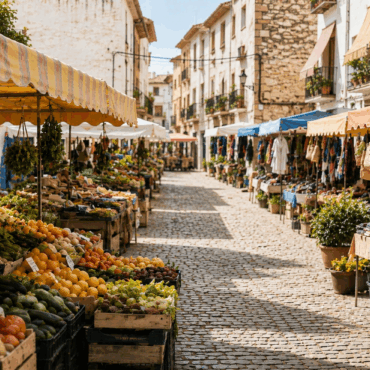
Costa Blanca markets: 6 best weekly markets to visit
If you’re living on or visiting Costa Blanca, exploring local markets is one of...
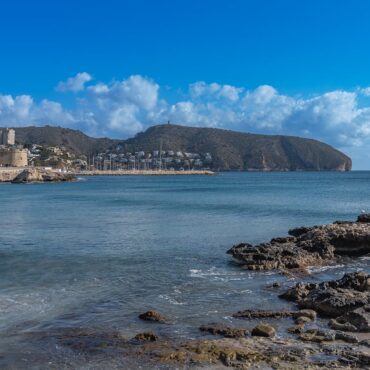
What to do in Moraira: top activities around your villa on the Costa Blanca
If you’re searching for what to do in Moraira, you’ll soon realise it’s not just...
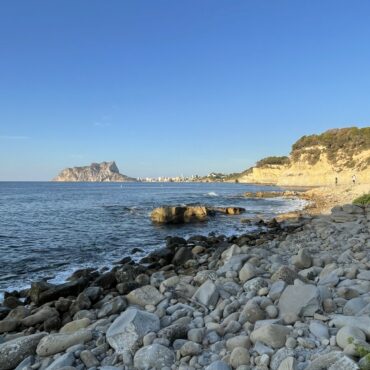
Best areas to find your luxury villa in Moraira, Benissa and Calpe
Choosing a villa in Moraira isn’t just about the house. It’s about location, lifestyle, view, and...
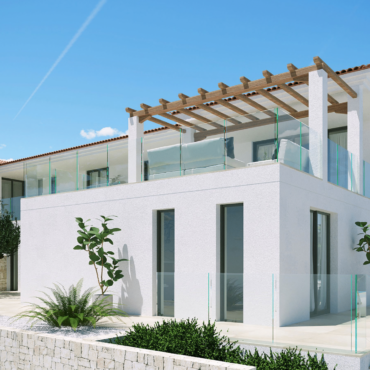
Do you want to know what you need to build your house in Moraira? 7 essential steps to find out
The 7 Essential Steps to Building Your Home in Moraira, Spain Build your dream...