
Building a villa in Spain is an opportunity to create something truly lasting. Beyond aesthetics and location, the real value lies in how your villa performs over time. Sustainable building practices are no longer an optional upgrade; they are essential to ensuring comfort, efficiency and enduring property value.
In regions such as the Costa Blanca, where climate and orientation play a crucial role, sustainability must be integrated from the earliest design stages. A well-planned villa does not simply look beautiful. It responds intelligently to its environment.
At Construcciones Marva, we approach every project with a clear objective: combining architectural quality with responsible construction. Below, we share seven key ideas that reflect the most effective strategies applied in our villas.
7 sustainable building practices we apply in our villas
Sustainability is not achieved through individual upgrades, but through consistent, well-planned decisions. The following principles guide the way we design and build our luxury properties in Spain, ensuring they perform efficiently for decades:
1. Designing with the sun, not against it
One of the most powerful sustainable strategies begins before construction starts: orientation. By carefully studying sun exposure, prevailing winds and topography, we reduce the need for artificial heating and cooling.
Large south-facing openings, shaded terraces and carefully calculated overhangs allow the house to regulate temperature naturally. These passive design decisions significantly lower energy demand without increasing technical complexity.
2. Keeping the heat out and the comfort in
A well-executed thermal envelope is essential in Mediterranean climates. Advanced insulation systems, high-performance glazing and airtight construction significantly improve interior comfort.
This approach reduces reliance on mechanical cooling systems and ensures stable indoor temperatures throughout the year. Efficient envelopes are a cornerstone of modern sustainable construction, directly influencing long-term energy consumption.
Key elements include:
- Advanced wall insulation
- High-performance roofing systems
- Controlled air permeability
3. Letting renewable energy do the work
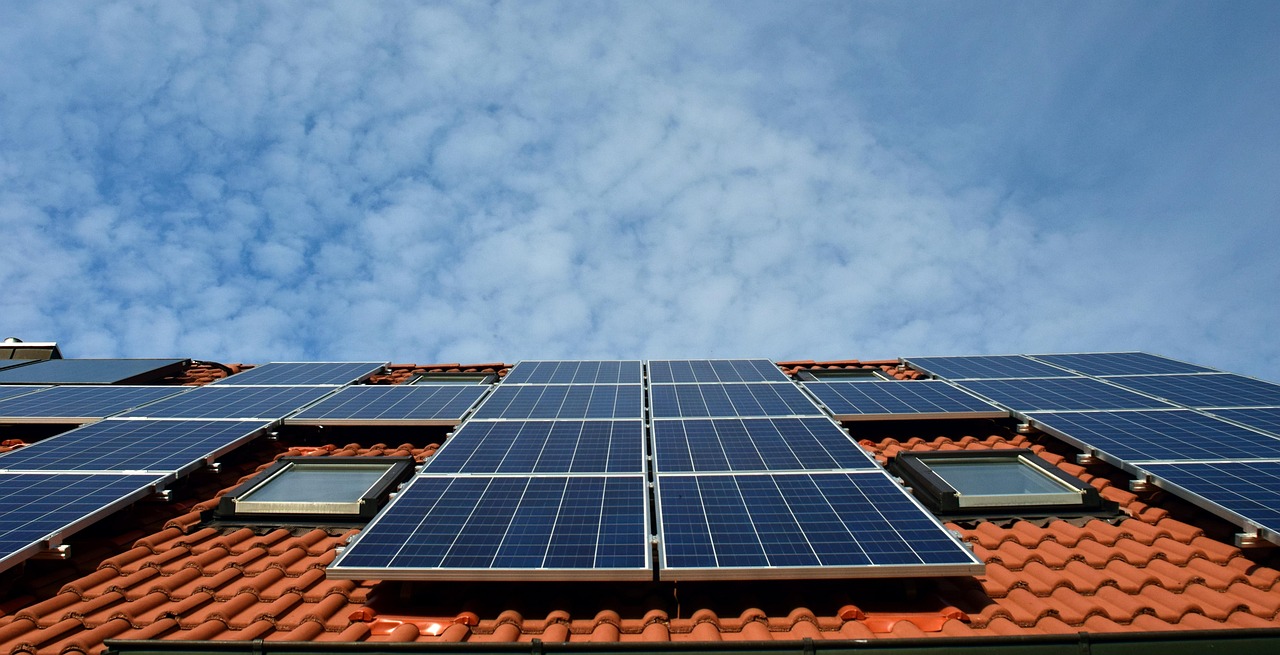
Modern villas increasingly incorporate solar panels, aerothermal systems and smart energy solutions. Integrating renewable energy from the design stage ensures both performance and aesthetic coherence.
Rather than treating technology as an afterthought, we integrate it into the architectural concept. When done correctly, renewable systems become a natural extension of thoughtful sustainable building practices.
4. Choosing materials that last
Material choice has a long-term environmental and structural impact. Durable finishes, certified wood, locally sourced materials and low-impact components all contribute to more responsible construction. Long-lasting materials reduce future renovations and maintenance, proving that sustainability is also about durability.
In projects such as Villa Sauce, this principle guided the selection of finishes and façade detailing adapted to coastal conditions. Materials were chosen for their aesthetic quality and for their ability to withstand humidity and sea exposure.
5. Landscaping that respects the climate
Water management is particularly important in Spain’s Mediterranean climate. Efficient irrigation systems, native landscaping and smart drainage solutions reduce unnecessary consumption.
Designing outdoor spaces that adapt to local conditions rather than demanding constant resources is a key part of sustainable building practices in this region. Landscaping must work with nature, not against it.
6. Smart control for smart living
Technology now plays a major role in efficient villa design. Smart home systems allow owners to monitor and adjust lighting, climate control and energy usage in real time, reducing unnecessary consumption while improving daily comfort.
In some of our recent villas, intelligent systems automatically regulate shading, interior temperature and exterior lighting based on time of day and occupancy. This level of control enhances comfort while ensuring energy is used only when needed.
7. Building to perform for decades
Perhaps the most underestimated aspect of sustainability is durability. A villa built to high structural standards with quality materials will perform efficiently for decades.
Reducing future renovations and extending the life cycle of the property is one of the most responsible decisions we can make when building a home in Spain. Long-term thinking always outperforms short-term solutions.
Why performance defines modern Mediterranean villas
Today, sustainable design is not a trend, but a long-term strategy that combines efficiency, comfort and value. When sustainable building practices are integrated from the outset, the result is a villa that consumes less energy, requires less maintenance and delivers greater comfort year after year.
If you are planning to build in Spain, defining sustainability objectives early will ensure your project performs efficiently from day one. Let’s design a villa that performs as beautifully as it looks!
Get in touch with our team and start planning a villa designed for long-term performance and comfort.

Noticias relacionadas
Renovation vs new construction: Costa Blanca homes explained
Are you considering buying or building a home on the Costa Blanca? One of...
Benefits of smart homes: the future of modern villas in the Mediterranean
Mediterranean living works when homes stop getting in the way. When interiors stay comfortable...
8 key benefits of living in Spain and owning a home on the Costa Blanca
If you have ever imagined a Mediterranean lifestyle filled with sunlight, calm days and...

Renovations in Spain: how to plan a stress-free home project as an international owner
Many international homeowners with a holiday property in Spain want to carry out renovations...
Why property investment in Spain is booming on the Costa Blanca
Over the past decade, Spain has re-emerged as one of Europe’s most attractive property...
Is your house prepared for the arrival of winter on the Costa Blanca?
Autumn has arrived on the Costa Blanca and it is time to ask ourselves...
Thinking of building a house? This short guide will help you.
Are you thinking of building the house of your dreams but you don’t really...