
Retirement is an opportunity to rethink what home means to you. Perhaps you want to spend more time outdoors, enjoy a slower pace of life or finally settle somewhere you have enjoyed visiting for years. For many international buyers looking for retirement homes in Spain, the Costa Blanca offers the chance to turn that vision into reality, combining a Mediterranean lifestyle, beautiful coastal scenery and a variety of places to call home.
However, choosing between retirement homes in Spain means considering more than just the climate. The right property should suit your day-to-day needs, remain comfortable throughout the year and make practical sense for the future. Understanding what the Costa Blanca offers can help you decide whether it is the right place to begin this new chapter.
Why the Costa Blanca appeals to retirees
The Costa Blanca combines a Mediterranean climate with a lifestyle centred on outdoor activities, local gastronomy and time spent with family and friends. Its generally mild winters and hot summers make terraces, gardens and outdoor dining areas valuable features.
Location also makes a difference. Moraira has the charm of a seaside town, with its harbour and peaceful residential areas. In Jávea (Xábia), you can choose between the historic old town, the port area, Playa del Arenal or residential developments close to its various beaches. Calpe (Calp) offers a more urban atmosphere, with a greater number of apartment buildings, and is known for its beaches and the iconic Peñón de Ifach. Meanwhile, Benissa combines the charm of its historic streets with residential areas close to the small coves along its coastline.
Before choosing where to live, it’s worth getting to know the area outside the holiday season. Take a stroll around the neighbourhood, visit the local shops and see whether there’s a supermarket, pharmacy or health centre nearby. Think about whether you’ll need a car for everyday errands, too. After all, it’s not just about enjoying the surroundings, but also about feeling at home in your everyday life.
Choosing a retirement property that works for you
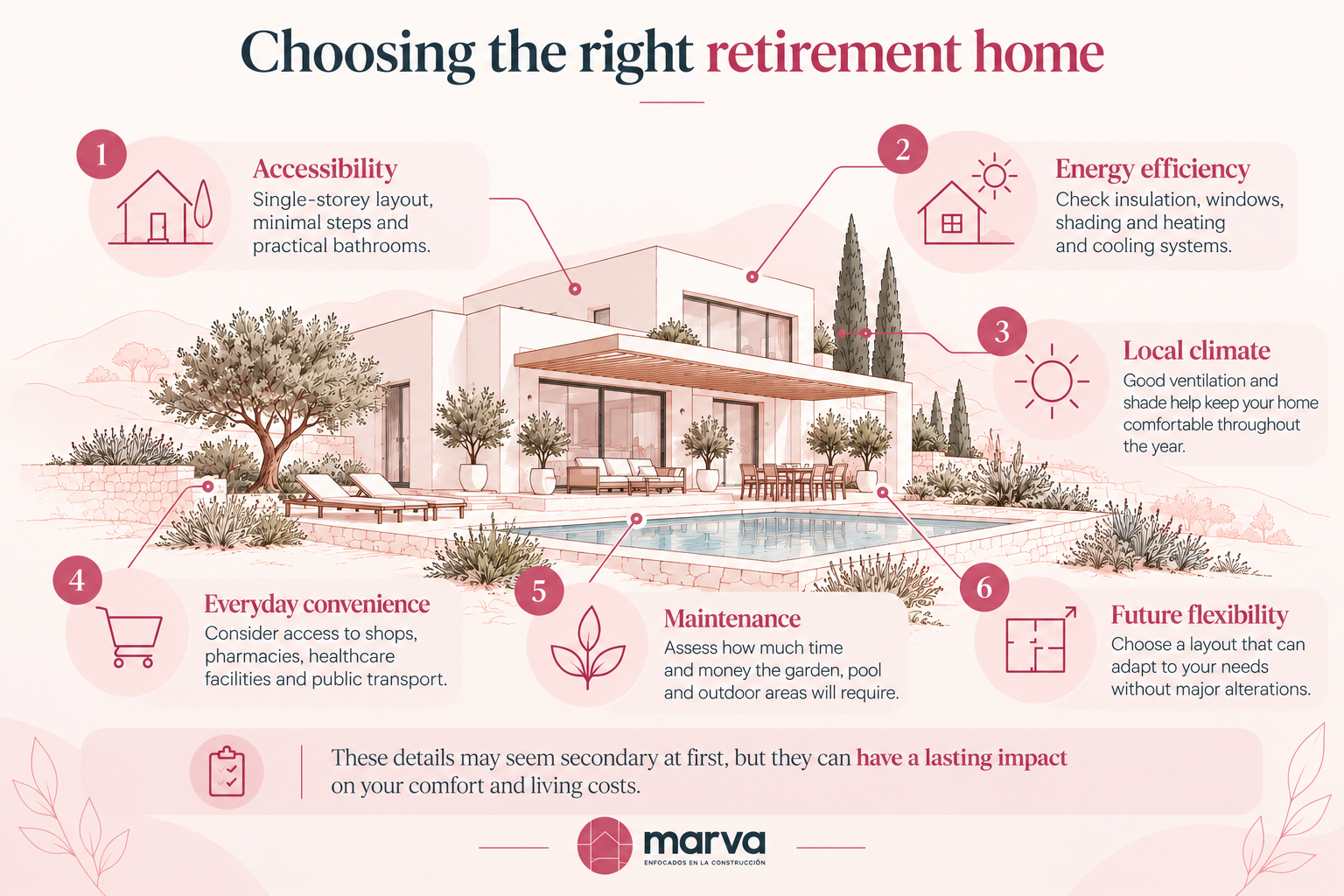
When comparing retirement homes in Spain, think beyond the number of bedrooms or the view. A well-designed home should make daily routines easier and avoid unnecessary maintenance.
Accessibility is a useful starting point. A single-storey layout or, in a home with multiple floors, a lift, along with enough space to move around comfortably, can make the property easier to use as your needs change. You may not need these features straight away, but incorporating them from the outset can reduce the need for future alterations.
To enjoy your home all year round, it’s important to make it comfortable in both the summer heat and the cooler winter months. Good insulation, effective sun protection, proper ventilation and heating and cooling systems all help maintain a pleasant indoor temperature.
Outdoor spaces should also reflect how you want to use them. A shaded terrace offers a welcome escape from the summer heat, while a heated swimming pool lets you enjoy swimming for longer each year. A low-maintenance garden also means you can spend less time on upkeep and more time relaxing.
When considering retirement homes in Spain, it is worth checking a few practical details:
- Accessibility: consider steps, doorways, bathroom layouts and whether the main living areas are on one level.
- Energy efficiency: check insulation, windows, shading and the condition of heating and cooling systems.
- Everyday convenience: look at distances to shops, pharmacies, healthcare facilities and public transport.
- Maintenance: assess how much time and money the garden, pool and outdoor areas will require.
- Future flexibility: consider whether the layout could accommodate changing needs without major alterations.
These details may seem secondary when you first compare retirement homes in Spain, but they can have a lasting impact on your comfort and living costs.
Buying an existing home or building a new one?
Buying an existing property
An existing property lets you see exactly what you are buying and assess its surroundings before making a commitment. It may also offer the advantage of an established location. However, an older home might need improvements to its layout, energy efficiency or accessibility, so it is important to assess renovation costs before deciding.
Building a new home
Building a new home gives you greater control over the result. You can work with an architect to plan the layout, position the house to make the most of natural light and design outdoor areas suited to your lifestyle.
This flexibility can make a bespoke home particularly appealing if you already know how you want to live in retirement. For instance, you might prefer an open-plan living area that connects directly to a covered terrace, a guest bedroom for visiting family or storage designed to keep everyday spaces uncluttered.
Nevertheless, construction requires careful planning, a realistic budget, a suitable plot and the necessary permits. Comparing the full costs and timescales of both options will help you make an informed choice.
Planning your move to Spain
Comparing different retirement homes in Spain is only one part of the process. Before committing, establish a budget that accounts for purchase or construction costs, taxes, professional fees, utilities and ongoing maintenance. If you plan to build, clarify what your construction budget includes and allow for unforeseen expenses.
It is equally important to understand the administrative requirements associated with moving abroad. Residency, taxation and healthcare arrangements depend on your personal circumstances and nationality, so seek qualified advice before making decisions.
Spending time in your preferred area outside the main holiday season is another worthwhile step. It gives you a better understanding of local life and helps you decide whether the location will suit your needs in the long term.
Finally, think about how you expect to use your home. A property intended for year-round living may have different priorities from one used for several months each year. Being clear about your plans will help you make better decisions about location and layout from the beginning.
Build your retirement home on the Costa Blanca with Marva
At Construcciones Marva, we help clients bring their projects to life in Moraira, Jávea, Calpe, Benissa and other areas of the Costa Blanca.
From assessing a plot and coordinating with architectural professionals to managing construction and finishes, our team guides you through the different stages of creating your dream home. We focus on transparent planning, clear communication and solutions adapted to your requirements and budget.
If you are considering building, we can help you explore the possibilities and turn your ideas into a practical project. With the right planning, your home can reflect not only your preferred style but also the way you want to enjoy retirement.
Contact our team to discuss your plans for buying one of our retirement homes in Spain. Your next chapter starts on the Costa Blanca!
FAQs about retirement homes in Spain
Is the Costa Blanca a good place to retire?
Its Mediterranean climate, coastal scenery and variety of towns make the Costa Blanca an attractive option for many retirees. The best location depends on your lifestyle, budget and access to the services you need.
How much do retirement homes in Spain cost?
Prices vary according to location, property size, condition and proximity to the coast. Building costs also depend on the plot, design, materials and specifications. Compare the total costs rather than the advertised property price alone.
Is it better to buy or build a retirement home?
Buying can be convenient if you find a property that already meets your needs. Building allows you to tailor the layout, accessibility and energy efficiency to your preferences. Your budget, timescale and priorities will determine which option suits you best.
Can foreigners buy retirement homes in Spain?
Foreign nationals can generally buy property in Spain, although the applicable procedures depend on their circumstances. Purchasing a property does not automatically grant residency rights, so it is advisable to obtain legal and tax advice before proceeding.

Noticias relacionadas
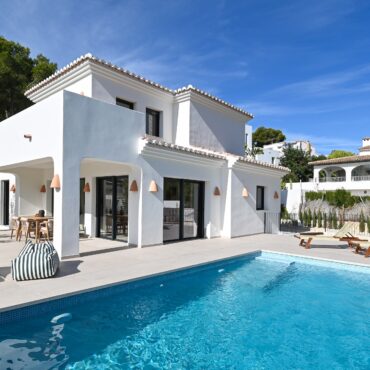
Why buyers are choosing investment property in Costa Blanca
A property purchase is rarely just about the building itself. The location, the surrounding...
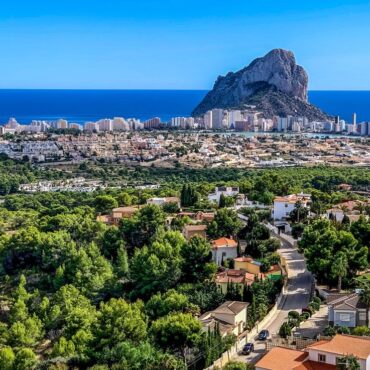
Mediterranean villages in Costa Blanca for living and investment
The Costa Blanca is easy to recognise in photographs. What is harder to understand...
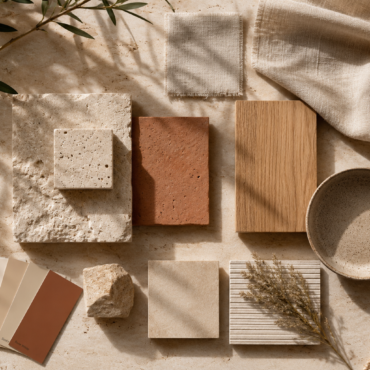
Top design trends in contemporary Mediterranean homes
What does a Mediterranean home look like today? Forget the idea that it has...
Property for sale in Benissa: where to buy your next luxury villa
Some places simply have something special, and Benissa is one of them. Set between...

Golf in Costa Blanca: a lifestyle shaped by sun, sea and sport
The golf in Costa Blanca experience goes far beyond the fairways. This region of southeastern Spain...
Why international buyers look for property for sale in Moraira, Jávea, Benissa and Calpe
If you’ve been searching for property for sale in Moraira, you’ve probably noticed how often...
8 things to do in Costa Blanca for an unforgettable experience
The Costa Blanca is known for beaches, but it offers much more beyond the...
Best places to live in Costa Blanca: how to find your dream home in Moraira
If you are thinking about moving to the Mediterranean, chances are you have already...